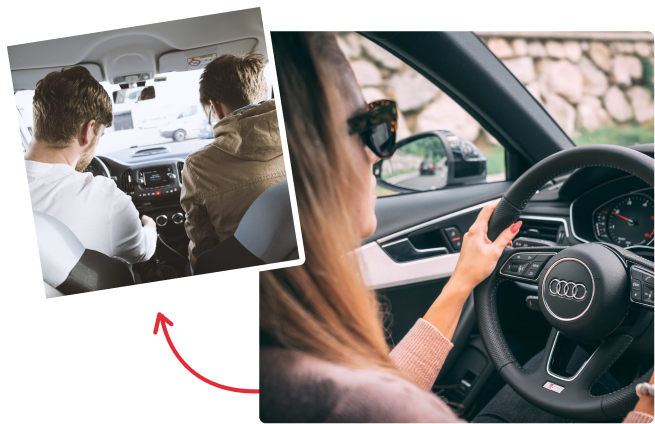


Learning to drive in Hamilton is exciting, but it can also feel overwhelming, especially with busy city roads, fast-moving highways, and unpredictable Canadian weather. Whether you’re preparing for your G2 or G license, or you’ve just started taking lessons, mastering local driving skills is essential.
This guide breaks down the Top Local Driving Tips for New Hamilton Drivers, helping you stay confident, safe, and ready for any road conditions you might face. From navigating Hamilton highways to handling winter weather and passing your road test, consider this your go-to resource.
1. Understand Hamilton Driving Laws and Road Signs
Before you even start driving, it’s crucial to understand local rules. Hamilton has specific traffic regulations that differ slightly from other provinces.
Key Points to Remember:
-
Always carry your G1/G2/G license while driving.
-
Hamilton uses metric measurements, so speed limits are in km/h, not mph.
-
Distracted driving laws are strict, texting or using a handheld phone can result in heavy fines and demerit points.
-
You must fully stop at a stop sign, even a rolling stop counts as a violation.
-
For school buses, you must stop in both directions unless on a divided roadway.
Studying the Hamilton Driver’s Handbook and regularly reviewing updates will help you stay compliant and confident.
2. Practice Defensive Driving in Busy Hamilton Cities
Places like Toronto, Mississauga, Brampton, Hamilton, and Scarborough can be stressful for new drivers. Heavy traffic, frequent lane changes, and unexpected braking are common.
Defensive Driving Tips:
-
Keep a safe following distance, at least 2–3 seconds in normal conditions and more in bad weather.
-
Always check your mirrors every 5–8 seconds.
-
Expect sudden stops, especially during rush hour.
-
Avoid blind spots and make your intentions clear by signaling early.
Defensive driving is one of the most important Top Local Driving Tips for New Hamilton Drivers, especially in busy urban zones.
3. Master Hamilton Highway Driving
Hamilton drivers commonly use the 403, the QEW, the Lincoln M. Alexander Parkway and the Red Hill Valley Parkway. Build speed on the on-ramp, check your blind spot twice before merging, and keep a steady following distance.
Highway Skills to Practice:
-
Accelerate up to highway speed on the ramp before merging.
-
Always signal early and check blind spots twice.
-
Stay in the right lane if you’re driving slower or still gaining confidence.
New drivers often feel intimidated by highway traffic, but consistent practice helps build confidence and safety.
4. Prepare for Hamilton Harsh Weather Conditions
Hamilton weather changes fast sunny one day, snowstorm the next. New drivers must learn how to handle the province’s unique seasons.
Winter Driving Tips:
Winter tires are not required by law in Ontario, but they improve traction in snow and ice. Increase your following distance in rain, snow or ice, and clear all snow from your vehicle before driving.
-
Install winter tires, they’re not required by law in Hamilton, but they significantly improve traction.
-
Brake gently and early to avoid skidding.
- Clear all snow and ice from your vehicle before driving.
Driving in Rain or Fog:
-
Use low-beam headlights (never high-beams in fog).
-
Reduce speed and avoid sudden braking.
-
Keep both hands firmly on the wheel.
If you master weather-based driving early, you’ll be far safer on Hamilton roads.
5. Understand Local Road Test Routes
Practicing on the kinds of roads you will see on test day builds confidence. See our guide to practice roads in Hamilton
6. Improve Parking Skills (One of the Biggest Exam Factors)
Parking is one of the first things examiners assess.
Focus on These Parking Types:
-
Parallel parking
-
Reverse parking
-
Forward parking
-
Three-point turns
-
Hill parking
-
Parking in tight spots in plazas or residential areas
Practice slowly, use reference points, and don’t rush. Remember: examiners care more about control than speed.
7. Stay Calm in Heavy Traffic and Intersections
New drivers must learn how to navigate them safely.
Intersection Tips:
-
Never rush a yellow light, stop if it’s safe.
-
Look left–right–left when entering an intersection.
-
At a four-way stop, the first car that arrives goes first.
-
If two cars arrive at the same time, yield to the right.
Intersections are one of the most common reasons new drivers fail road tests—master these and you’ll be ahead of the curve.
8. Learn Smart Lane Positioning and Blind Spot Checks
Hamilton roads are filled with cyclists, motorcycles, buses, and large transport trucks. Lane positioning becomes one of the most essential Top Local Driving Tips for New Hamilton Drivers.
Always Remember:
-
Stay centered in your lane.
-
Give cyclists at least 1 metre of space.
-
Check blind spots every time you change lanes.
-
When passing trucks, pass quickly and avoid staying beside them.
Smart lane positioning protects you and others.
9. Know When to Use Public Transit Lanes, HOV Lanes & School Zones
Some highways in the Greater Toronto and Hamilton Area have HOV lanes, marked with a diamond symbol. They normally require two or more occupants, so follow the posted signs.
HOV Lanes
-
Usually require two or more people in the vehicle.
-
Found on major highways like the 403 and 404.
Transit Lanes
-
Restricted for buses, taxis, and specific vehicles.
School Zones
School zone speed limits are often lower than the surrounding road, so follow the posted signs.
-
Speed limit drops to 30–40 km/h during active times.
-
Be extra alert for pedestrians and children crossing.
Understanding these local systems helps you avoid fines and drive safely.
10. Practice Regularly With a Certified Driving Instructor
Even if you practice with family, Hamilton licensed instructors understand:
-
Local exam expectations
-
High-risk routes
-
Parking reference points
-
City-specific road habits
-
Real road test routes
-
Defensive driving rules
A certified local instructor can dramatically shorten your learning curve and increase your chances of passing your G2 or G test.
This is why one of the Top Local Driving Tips for New Hamilton Drivers is getting expert guidance early.
Frequently Asked Questions (FAQs)
1. What is the hardest part about driving in Hamilton for new drivers?
Heavy traffic, parking, winter road conditions, and highway merging are often challenging for beginners.
2. How long does it take to become a confident driver in Hamilton?
Confidence grows with regular, guided practice. An instructor can tell you when you are ready for your road test.
3. Do I need winter tires in Hamilton?
They’re not mandatory, but highly recommended for safety and traction.
4. How can I improve my chances of passing the G2 test?
Practice near your DriveTest centre, master parking, maintain lane control, and drive confidently—not cautiously slow.
Conclusion
Learning to drive in Hamilton can feel overwhelming, but with the right skills, guidance, and preparation, you can become a confident, safe, and capable driver. These Top Local Driving Tips for New Hamilton Drivers will help you navigate busy cities, handle tough weather, master local road test routes, and develop strong lifelong driving habits.
If you’re ready to become a confident Hamilton driver, book your driving lessons today. Professional instructors can help you build confidence, avoid common mistakes, and build real driving confidence.
Ready for your G2 or G road test? Practise with certified instructors at our Hamilton location. Book road test prep or see our Hamilton location.